
Rioja wine guide
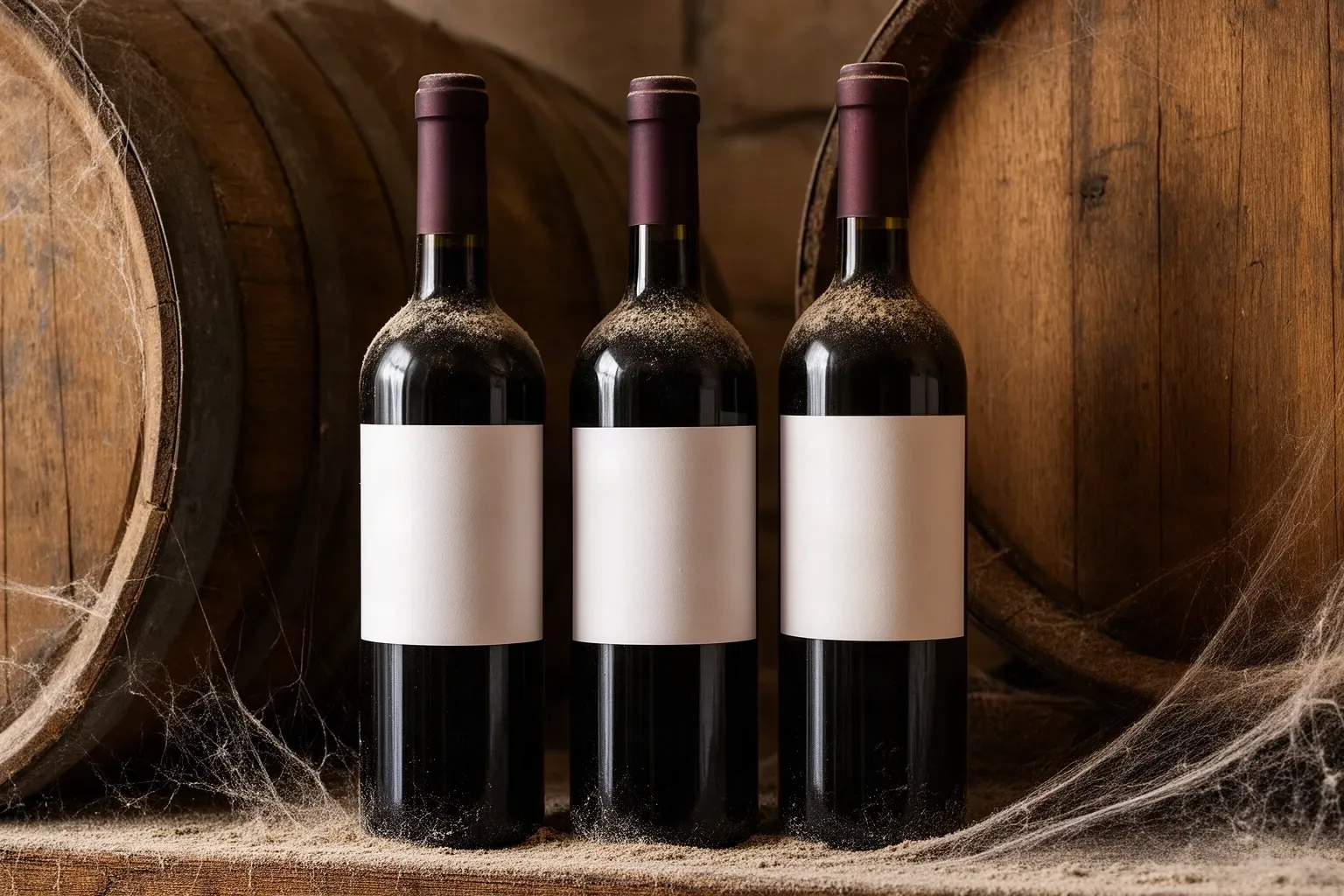
Crianza, Reserva and Gran Reserva: reading a Rioja label
Ageing categories, back labels and the newer village and single-vineyard wines, explained simply.
Quick answer
In DOCa Rioja, a red Crianza is aged for at least 2 years (with 12 months in oak), a Reserva for at least 3 years (12 months in oak) and a Gran Reserva for at least 5 years, including a minimum of 2 years in barrel and 2 in bottle. The colour of the back label confirms it: red, burgundy or blue.
Walk down the Spanish aisle of any wine shop in the UK, Ireland or the US and you will see the same words over and over: Crianza, Reserva, Gran Reserva. They are not marketing flourishes. In Rioja they are legally defined terms that tell you how long the wine spent maturing in oak barrels and in bottle before it was allowed on sale. Once you know the code, you can read a Rioja label in under a minute and pick the right bottle for the meal in front of you.
The four ageing categories
Young wines (green back label)
Wines with no minimum ageing, or only a brief spell in oak. They keep all their freshness and fruit and are meant to be drunk within a year or two. Locals sometimes call them cosechero or simply joven.
Crianza (red back label)
Red Crianza is aged for a minimum of 24 months, at least 12 of them in oak, which is double Spain's general minimum, with the rest in bottle. Whites and rosés need at least 6 months in barrel. Expect a balance of ripe fruit and gentle oak.
Reserva (burgundy back label)
Usually made from the better vintages, red Reserva is aged for a minimum of 36 months, including at least 12 in oak. White and rosé Reservas need 24 months in total, with at least 6 in barrel. More layered and refined.
Gran Reserva (blue back label)
The top of the ladder, kept for outstanding harvests. A red Gran Reserva spends at least 60 months (5 years) ageing: a minimum of 2 years in barrel and 2 in bottle. Think leather, tobacco and spice, with real cellaring potential.
Did you know? Rioja traditionally uses the 225-litre Bordeaux-style oak barrel (barrica bordelesa), which gives the wine plenty of contact with the wood. That is one reason its oak-ageing rules are stricter than the national minimum.
At a glance: minimum ageing by category
These are the minimums in the DOCa rulebook. Wineries can, and often do, age their top wines for longer.
| Category | Red: total / in oak | White and rosé: total / in oak | Back label |
|---|---|---|---|
| No ageing requirement | No minimum | No minimum | Green |
| Crianza | 24 months / 12 months | 18 months / 6 months | Red |
| Reserva | 36 months / 12 months | 24 months / 6 months | Burgundy |
| Gran Reserva | 60 months / 24 months (+24 in bottle) | 48 months / 6 months | Blue |
The remaining time is spent resting in bottle in the winery's cellar. That is why the Gran Reserva on sale today usually carries a noticeably older vintage than the Crianza from the same producer.
When does the clock start?
Ageing is not counted from the day the wine goes into barrel but from the autumn of the harvest year. In practice, a Crianza cannot be sold before its third year, a Reserva before its fourth and a Gran Reserva before its sixth. If you spot a very recent vintage labelled "Reserva", something does not add up.
What the category doesn't tell you
All four terms describe time, not absolute quality or style. A few things are worth knowing before you choose:
- "Roble" and "semicrianza" are not official DOCa categories. They usually mean a wine with a green back label that has spent a few months in oak, less than a Crianza needs.
- The type of oak changes the profile. American oak, long tied to Rioja tradition, gives coconut, vanilla and dill; French oak brings finer spice and subtle toast. Many wineries blend both.
- Barrel age matters. New oak marks a wine far more than a barrel that has been used several times; classic houses often prefer older barrels so the wood does not mask the fruit.
- More and more single-plot wines skip the classic categories. Some producers prefer to highlight origin (village or Viñedo Singular) and use a green back label even after years of ageing.
Which category for which occasion?
| Occasion | Category that usually works | Why |
|---|---|---|
| A pintxo crawl in Logroño's old town | Young or Crianza | Lively fruit, soft tannins and a modest price per glass |
| Riojan-style potatoes with chorizo, or lamb chops grilled over vine cuttings | Crianza | Fruit and oak in balance, without overpowering the food |
| Roast lamb or red meat | Reserva | More structure, with spice and leather notes |
| Game, mature cheese or a long, lazy lunch | Gran Reserva | Complex tertiary aromas, silky texture and a long finish |
Serving tip: a Crianza shows well at around 15–16 °C (59–61 °F); a Reserva or Gran Reserva at 16–18 °C (61–64 °F). Older Gran Reservas benefit from being opened a little in advance and, if there is sediment, gently decanted. For the tapas side of things, see our Calle Laurel tapas guide.
Read the label in three steps
- Find the numbered back label from the regulatory council: its colour gives you the category instantly.
- Check the vintage on the front or back label and make sure it fits the minimum times in the table.
- Look for origin mentions (zone, village or Viñedo Singular) and grape varieties: they say more about style than the category does. Our guide to what DOCa Rioja is explains these origin labels.
Why Rioja embraced long ageing
Ageing wine in Bordeaux-style barrels reached Rioja in the second half of the 19th century, when pioneers such as the Marqués de Murrieta and the Marqués de Riscal adapted methods from Bordeaux. Oak helped stabilise the wine for long journeys and gave it a style prized by buyers of the time. Over the decades the practice became part of Rioja's identity, and the designation turned it into clear categories so drinkers would know how long a wine had spent in the cellar. Today the picture is broader, with shorter ageing, larger casks and fermentation in concrete or clay sitting alongside the classic Reservas.
Questions to ask on a winery tour
- How many months did this wine really spend in barrel, and how many in bottle?
- Do you use American oak, French oak or a mix? How many times have the barrels been used?
- Do you still rack the wine by hand, and how often?
- Which Gran Reserva vintage is on sale now, and why that one?
Those four questions will teach you more than any tech sheet. To compare houses side by side, browse our winery visits with a private driver; Haro's historic Station District is ideal, with cellars full of ageing Reservas, and you can organise a full Haro winery day or focus on one house, as in our CVNE visit with a driver. With just an afternoon, a wine tasting in Logroño lets you compare categories glass by glass. First time? Read how to visit a winery in Rioja before booking. Tours and tastings are booked directly with each winery on its official website; we handle the driving.
Compare a Crianza and a Gran Reserva, no driving needed
We wait outside each winery and take you back to your hotel. Door-to-door service across La Rioja.
Request a quoteFrequently asked questions
How long is a Rioja Crianza aged?
A red Crianza is aged for at least 24 months, with a minimum of 12 months in oak barrels.
How long is a Rioja Reserva aged?
A red Reserva is aged for at least 36 months, including at least 12 months in oak.
How long is a Rioja Gran Reserva aged?
At least 60 months (5 years), with a minimum of 2 years in barrel and 2 years in bottle.
Is Gran Reserva always better than Crianza?
Not necessarily. The categories describe minimum ageing time, not quality scores. Choose by style and by what you are eating.
What barrel is used in Rioja?
Traditionally the 225-litre Bordeaux-style oak barrel, in American oak, French oak or a combination.